How to Breathe When Running: Nose Breathing Benefits, Practice Tips and FAQ
Key points
- Nose breathing while running works best at easy, low-to-moderate effort — easy runs, jogging and warm-ups.
- When you speed up and start breathing hard, switching to in-through-the-nose, out-through-the-mouth, or breathing through both is completely normal.
- To practise, start at a pace where you can still speak in full sentences, and match your breathing to your steps.
- If your nose often feels blocked or your nostrils seem to collapse when you run, look into the cause; if your nose stays blocked for a long time, see a doctor.

Can you breathe only through your nose while running?
Yes, but it depends on how hard you are running. On easy runs, jogs, warm-ups and recovery runs, many people can breathe in and out through the nose — it feels quieter and the rhythm is steadier.
When you speed up, run uphill or do intervals, your body needs more air and nose-only breathing can feel like too little. At that point, breathing in through the nose and out through the mouth, or using both, is a natural choice. There's no need to force it.
In short: nose breathing isn't a rule — it's one more breathing option for your runs.
Nose vs mouth breathing when running
| Nose breathing | Mouth breathing | |
| Best for | Easy runs, jogging, warm-ups | Speeding up, hills, sprints |
| How it feels | Quieter, easier to keep a steady rhythm | Takes in more air per breath |
| Common discomfort | Feels like not enough air when your nose is blocked | Dry mouth and throat |
Many runners mix the two: nose on the easy parts, mouth helping out when it gets hard.
How to practise nose breathing while running: 4 steps
Step 1: Find your "talking pace"
Start at a pace where you can speak in full sentences. This is the easiest effort level for nose breathing. If your speech breaks up, slow down a little.
Step 2: Match your breathing to your steps
Try "in for 2 steps, out for 2 steps" or "in for 3, out for 3". Find a rhythm that feels smooth so your breathing doesn't get messy.
Step 3: Start short
The first time, try nose-only breathing for 5–10 minutes. When you get out of breath, switch to nose and mouth together, then build up the time gradually.
Step 4: Switch when you're out of breath
If you feel dizzy, tight in the chest or very out of breath, slow down or stop and breathe whichever way feels best. The goal is comfort, not seeing how long you can hold on.

Can't get enough air through your nose when running? Common reasons
- Nostrils collapsing inward: when you breathe in hard, the sides of your nostrils pull in and the passage feels narrower.
- Cold or dry air: early winter runs can make your nose feel uncomfortable or runny.
- Allergies or a cold: if your nose is already blocked, running makes it more noticeable.
- Going too fast: above a certain effort, wanting to breathe through your mouth is normal.
If your nose is blocked for a long time, always blocked on one side, or comes with fever, headache or nosebleeds, please see an ENT doctor first rather than relying on practice or products.
How to keep your nostrils open while running
Some runners use nasal strips, which stick to the outside of the nose and pull the sides outward. Others choose a nasal valve support worn inside the nostrils, which supports both sides from the inside.
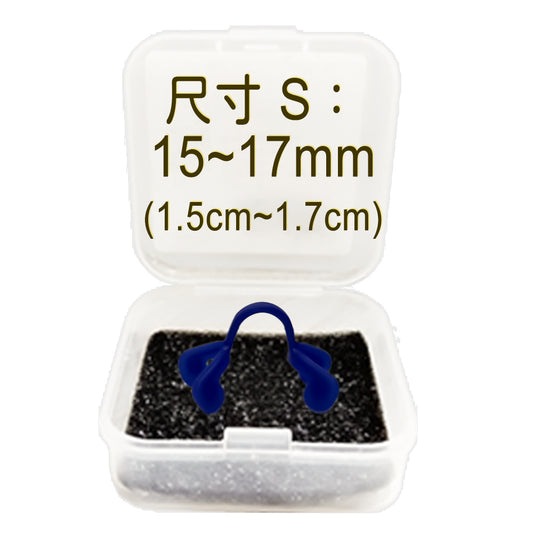
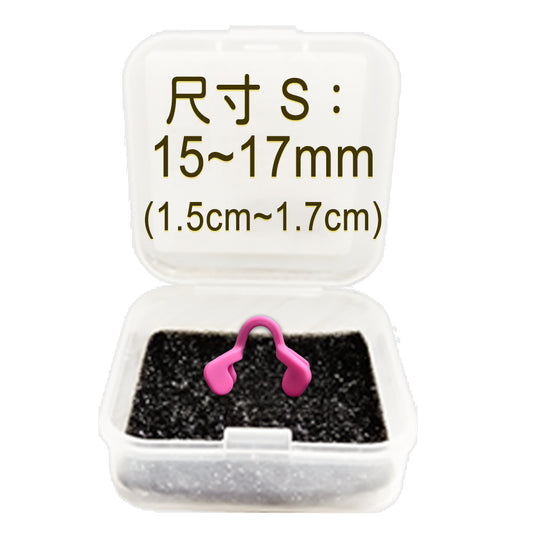
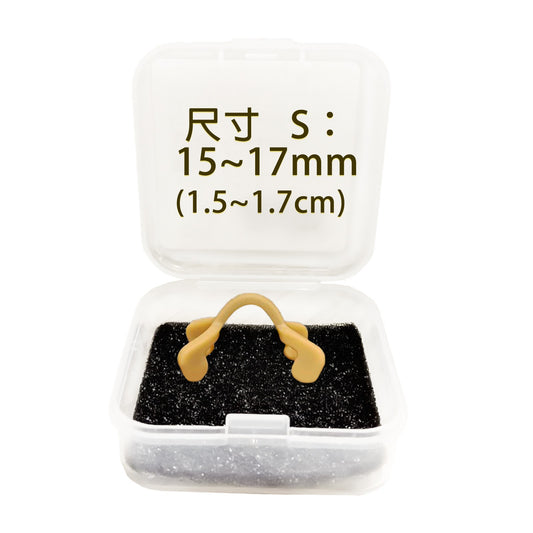
Gnasal EasyBreath is an adjustable nasal valve support worn inside the nostrils. There's no adhesive, so sweat won't loosen it, and it can be washed and reused. It is only a physical support — it is not a medical device, does not improve heart or lung capacity, and does not mean you will run faster. Everyone's experience is different.
Before running with it for the first time, wear it at home and walk around for a few minutes to check the size and position are comfortable and it stays in place, then start with an easy jog. See the size guide to choose your size, and Nasal breathing during exercise: breathing and wearing guide for more tips.

Washable and reusable — sweat-proof for workouts

- Washable: after exercise, gently wash it with water and a mild cleanser or body wash, rinse well and let it air-dry in a cool, ventilated place.
- Reusable: made of titanium alloy and silicone; with normal use and cleaning, one piece can last up to about 6 months (depending on how often you use it and how you care for it).
- No adhesive: worn inside the nostrils, so sweat won't loosen it the way it can with nasal strips — and no new strip to throw away after every workout.
- Better value: compared with buying single-use nasal strips again and again, it saves money over time.
FAQ
Do I have to breathe through my nose when running?
No. Use your nose more on easy runs; when you speed up or get out of breath, breathing through both nose and mouth is normal.
Does nose breathing make running feel easier?
It varies. Some people find their rhythm steadier; others feel they can't get enough air. Start at low intensity and go by what feels comfortable.
What can I do about a runny nose while jogging?
It's common in cold or dry weather. A buff or face cover and some tissues help. If your nose is often runny or blocked in daily life too, see a doctor to find the cause.
Can I wear Gnasal while running?
Yes, as long as the size fits and it stays in place. Start with short, easy runs the first time, and after exercise wash it with water and a mild cleanser and let it air-dry.
What's the difference between nasal strips and Gnasal?
Nasal strips stick to the outside of the nose and may come loose with sweat; Gnasal is worn inside the nostrils, needs no adhesive and is reusable. Both are physical aids — choose whichever feels comfortable for you.